We make connections.
Literally.
The UVA Brain Institute pursues neuroscience discovery in service of society.
We build and sustain interdisciplinary neuroscience research teams across Grounds to address major societal challenges.
Research Areas
-
Neurodegeneration
Changing the trajectory of neurodegenerative disorders
-
Neurodevelopment
Deciphering the trajectory of brain development
-
Epilepsy
Building on a legacy of excellence in bench and clinical epilepsy research
-
Pain and Addiction
Leveraging preeminence to bring innovation to pain and addiction research
Revolutionary brain science spanning every stage of life
-
Researchers have identified a missing brain molecule, pleiotrophin, that may underlie the disrupted neural circuits seen in Down syndrome. Restoring it could improve brain function even in adulthood. Ashley N. Brandebura, a researcher at the University of Virginia School of Medicine who was part of the research team while at the Salk Institute for Biological Studies, called the findings a promising step forward.
-
Infancy
Q&A: Why Are a Child’s First 1,000 Days So Critical for Brain Building?
Tags: Neurodevelopment
UVA neuroscientist Meghan Puglia explains how everyday interactions, responsive caregiving, and manageable stress shape a rapidly developing brain, and why perfection isn’t required for strong, resilient children. Discover why a child’s first 1,000 days—from conception to age 3—set the foundation for lifelong learning and health.
-
Adolescence
Understanding the Brain to Improve Mental Health
Tags: Mental Health, Computational Neuroscience
In a recent collaboration with School of Data Science colleagues Javier Rasero and Jack Van Horn, Aiying Zhang examines one of the most persistent questions in autism research: why boys are diagnosed with autism spectrum disorder more often than girls.
-
University of Virginia students who experience head injuries will now receive the same concussion management protocol offered to UVA student-athletes, thanks to a new $300,000 grant from the Jefferson Trust. By adopting the Sport as a Laboratory Assessment Model (SLAM)—the system used to evaluate collegiate athletes with concussions—Student Health and Wellness aims to elevate the clinical care provided to all students following a concussion. The initiative, known as Jefferson Concussion Access for Recovery, Exercise and Support (CARES), will help ensure consistent, high-quality support for every UVA student recovering from a head injury.
-
Adulthood
Scientists Reveal How Ketogenic Diet Protects Against Seizures When Drugs Fail
Tags: Epilepsy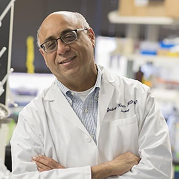
UVA School of Medicine researchers have revealed how the low‑carb ketogenic diet protects against epilepsy seizures and potentially neurodegenerative diseases. Led by Jaideep Kapur, the team identified the mechanism behind the diet’s benefits, a discovery that could eventually allow patients to gain its anti-seizure effects without adhering to its highly restrictive eating requirements.
-
Adulthood
Postpartum Psychosis: International Experts Seek to Save Lives of Mothers, Babies
Tags: Mental Health
An international panel of leading women’s mental health experts—including UVA Health’s Jennifer Payne—is calling to reclassify postpartum psychosis as its own category of mental illness to improve the care new mothers receive.
-
Aging
Manning Institute Accelerates Breakthroughs for Alzheimer’s and Other Neurodegenerative Diseases
Tags: Neurodegeneration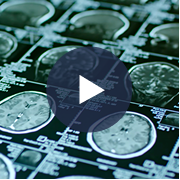
Discover how the Paul and Diane Manning Institute of Biotechnology at the University of Virginia School of Medicine is changing the fight against Alzheimer’s disease, Parkinson’s disease, and other neurodegenerative disorders.
-

UVA Health scientists have helped pave the way for tavapadon, a promising new Parkinson’s drug now under FDA review, marking the first potential novel treatment in more than 50 years. Developed from decades of research led by UVA’s Richard Mailman, the drug targets the D1 dopamine receptor and may offer patients improved motor control, once‑daily dosing, and even a “second honeymoon” period of symptom relief.
Revolutionary brain science spanning every stage of life


Researchers have identified a missing brain molecule, pleiotrophin, that may underlie the disrupted neural circuits seen in Down syndrome. Restoring it could improve brain function even in adulthood. Ashley N. Brandebura, a researcher at the University of Virginia School of Medicine who was part of the research team while at the Salk Institute for Biological Studies, called the findings a promising step forward.
UVA neuroscientist Meghan Puglia explains how everyday interactions, responsive caregiving, and manageable stress shape a rapidly developing brain, and why perfection isn’t required for strong, resilient children. Discover why a child’s first 1,000 days—from conception to age 3—set the foundation for lifelong learning and health.


Understanding the Brain to Improve Mental Health
- Mental Health
- Computational Neuroscience
In a recent collaboration with School of Data Science colleagues Javier Rasero and Jack Van Horn, Aiying Zhang examines one of the most persistent questions in autism research: why boys are diagnosed with autism spectrum disorder more often than girls.
University of Virginia students who experience head injuries will now receive the same concussion management protocol offered to UVA student-athletes, thanks to a new $300,000 grant from the Jefferson Trust. By adopting the Sport as a Laboratory Assessment Model (SLAM)—the system used to evaluate collegiate athletes with concussions—Student Health and Wellness aims to elevate the clinical care provided to all students following a concussion. The initiative, known as Jefferson Concussion Access for Recovery, Exercise and Support (CARES), will help ensure consistent, high-quality support for every UVA student recovering from a head injury.


UVA School of Medicine researchers have revealed how the low‑carb ketogenic diet protects against epilepsy seizures and potentially neurodegenerative diseases. Led by Jaideep Kapur, the team identified the mechanism behind the diet’s benefits, a discovery that could eventually allow patients to gain its anti-seizure effects without adhering to its highly restrictive eating requirements.
Postpartum Psychosis: International Experts Seek to Save Lives of Mothers, Babies
- Mental Health
An international panel of leading women’s mental health experts—including UVA Health’s Jennifer Payne—is calling to reclassify postpartum psychosis as its own category of mental illness to improve the care new mothers receive.
Manning Institute Accelerates Breakthroughs for Alzheimer’s and Other Neurodegenerative Diseases
- Neurodegeneration
Discover how the Paul and Diane Manning Institute of Biotechnology at the University of Virginia School of Medicine is changing the fight against Alzheimer’s disease, Parkinson’s disease, and other neurodegenerative disorders.
UVA Health scientists have helped pave the way for tavapadon, a promising new Parkinson’s drug now under FDA review, marking the first potential novel treatment in more than 50 years. Developed from decades of research led by UVA’s Richard Mailman, the drug targets the D1 dopamine receptor and may offer patients improved motor control, once‑daily dosing, and even a “second honeymoon” period of symptom relief.
In The News




A Deep Dive Into Neuroscience
Infographics
-
192Faculty Supported
-
38Departments Collaborating
-
6828310Awarded in Seed Funding